
Trademark Lawyer in Chicago for Registration, Protection & Enforcement
A trademark is more than a filing number. It can be the name customers remember, the logo they recognize, or another distinctive element that separates one business from another. Drishti Law works with Chicago businesses, entrepreneurs, and brand owners on trademark clearance, federal registration, prosecution, portfolio management, and enforcement.
As a trademark lawyer in Chicago, Drishti Law also assists when an application receives an office action, when another party challenges a mark, or when existing trademark rights need to be enforced.
Trademark protection may apply to:
- Business and product names used to identify the source of goods or services
- Logos and other distinctive visual brand elements
- Slogans and phrases functioning as source identifiers
- Trade dress associated with qualifying product or packaging features

Trademark Services Across the Brand Lifecycle
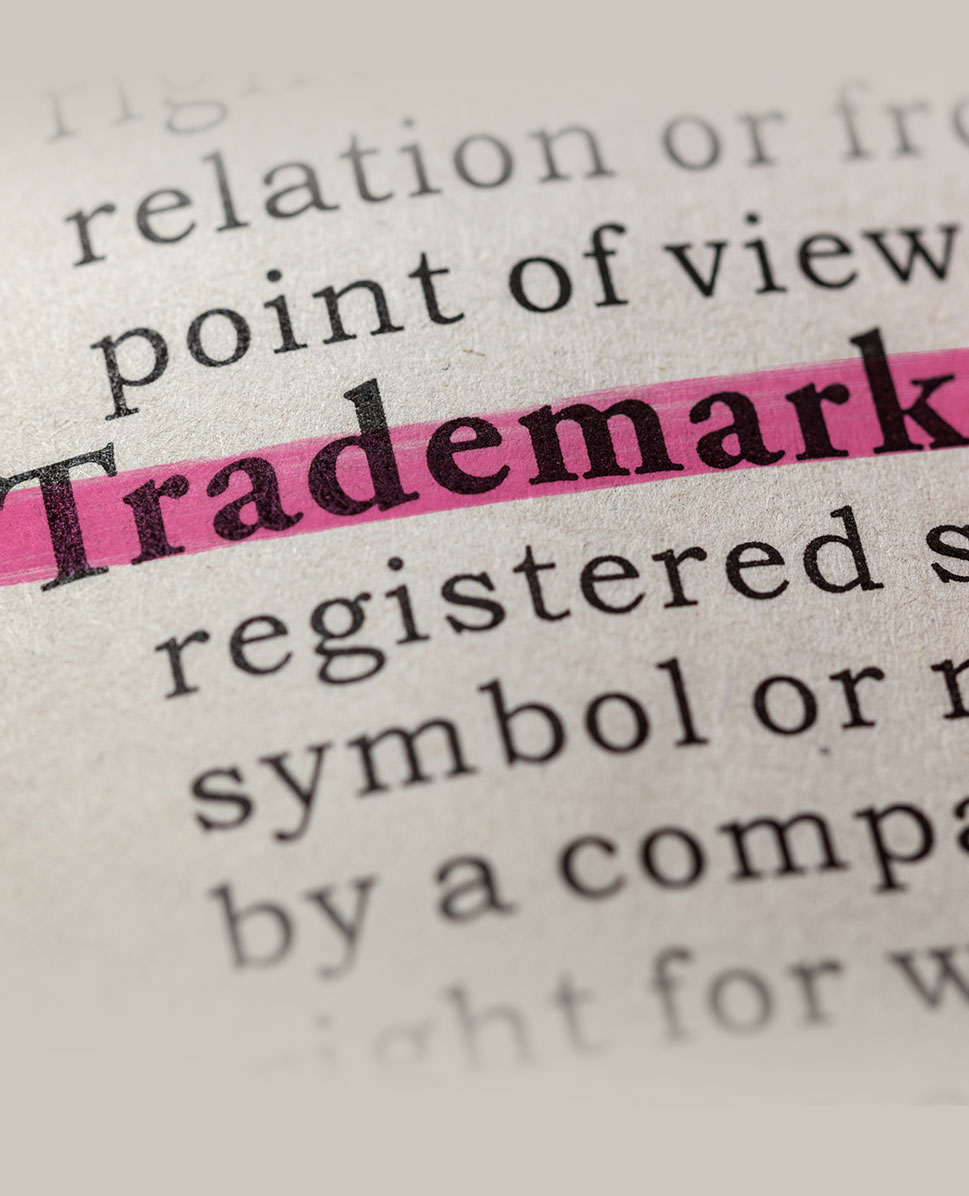
Maximize Your Trademark’s Commercial Value
Trademark value starts before an application is submitted. A proposed name may look available in a basic search and still present legal concerns because another party uses a similar mark for related goods or services. A trademark clearance search looks beyond exact matches and considers how potential conflicts could affect registration or future use.
The USPTO identifies likelihood of confusion with an existing mark as a common reason applications are refused. Its guidance also explains that a comprehensive clearance search can extend beyond federal records to state databases and marketplace use, because earlier common-law use may matter even when no federal registration appears in the database.
Filing comes next, but filing is not simply entering a brand name into a form. Ownership, filing basis, identification of goods and services, the mark itself, and any required specimen can influence how an application moves through examination. A USPTO trademark lawyer can evaluate those pieces before they become part of the public application record.
Protection can also overlap with other intellectual property. A logo, website graphic, packaging artwork, photograph, or other original material may raise copyright questions in addition to trademark concerns. Businesses dealing with both can explore copyright protection services as part of a broader rights strategy.
Registration is not the end of the trademark lifecycle. Existing registrations require maintenance, while growing businesses may add products, enter new markets, license marks, or build portfolios containing multiple names and logos. Trademark portfolio management keeps those rights connected to how the business is actually operating.
For Chicago companies building recognizable brands, Drishti Law approaches trademark registration as one part of a longer commercial strategy rather than treating the application itself as the finish line.
What Are the Advantages of Registering a Trademark?
Businesses can develop trademark rights through use, but those rights may be geographically limited. Federal registration can provide broader advantages, including public notice through the USPTO database and a legal presumption of ownership and the right to use the registered mark in connection with the listed goods or services.
That distinction becomes increasingly important as a business moves beyond a single neighborhood, opens new locations, begins selling online, licenses its brand, or expands into additional markets. A mark that once operated in a narrow geographic area may eventually represent a much larger commercial footprint.
Federal registration also permits use of the ® symbol for the registered mark in connection with the goods or services covered by the registration. The USPTO notes additional benefits that can include bringing an action concerning the trademark in federal court and using a U.S. registration as a basis for seeking protection in other countries.
Registration does not eliminate every possibility of conflict. The scope of trademark rights remains connected to the mark and the goods or services with which it is used. Two businesses may use similar language in very different commercial contexts, while similar marks associated with related goods or services may raise likelihood-of-confusion concerns.
Trade dress can add another dimension. Distinctive product packaging, presentation, or other source-identifying features may sometimes function as trademarks when applicable legal requirements are met. That makes brand protection broader than simply deciding whether a company name should be registered.
A registration also does not mean the USPTO will police the marketplace for the owner. The USPTO expressly notes that it is not an enforcement agency. Businesses remain responsible for addressing potentially infringing use of their marks.
That can mean evaluating the strength of the rights involved, the similarity between the marks, the relevant goods or services, and the commercial consequences of a dispute. When a matter becomes contested, IP litigation and dispute resolution may become part of the response.
For a business investing in signage, digital advertising, packaging, product development, or customer recognition, the practical advantage is greater clarity around the brand being built. Registration can create a stronger legal framework around an identity that may become increasingly valuable over time.


Why Your Brand Deserves More Than Just a Filing
An application can be submitted quickly. Building a filing around the way a business actually uses its brand takes more thought. A trademark strategy should account for where the mark stands today, what the business intends to do next, and what could interfere with those plans.
Strategic Protection
Every brand has a different commercial path. A company launching one product has different considerations from a business managing several marks across multiple goods or services. Drishti Law looks at the mark in context before deciding how registration should move forward.
- Review the mark, ownership, intended use, and relevant goods or services
- Consider filing strategy alongside foreseeable brand expansion
Business Perspective
Legal advice becomes more valuable when it reflects commercial realities. We consider how your trademark supports expansion, licensing opportunities, competitive positioning, and everyday business operations.
- Practical legal recommendations
- Solutions aligned with business growth
How Trademark Protection Moves From Search to Strength
A careful process helps your brand avoid preventable filing issues, confusing overlaps, and weak protection. Each step is shaped around ownership, commercial use, and long-term brand security.
Brand Review
The mark, owner, products or services, current use, and future plans are reviewed first. Specialized industries can create additional considerations, and businesses in the cannabis, hemp, or CBD space may need guidance from a cannabis trademark lawyer before deciding how to approach federal protection.
Trademark Search
A clearance search examines potentially conflicting marks and considers similarity in wording, appearance, meaning, commercial impression, and the relationship between the relevant goods or services.
Application Filing
The filing is prepared around the appropriate owner, filing basis, goods or services, mark format, and supporting material. Once submitted, the application enters USPTO examination.
Ongoing Protection
An examining attorney may approve the application for publication or issue an office action identifying legal problems or application requirements. Responses, TTAB matters, registration maintenance, trademark monitoring, licensing, portfolio changes, and enforcement may become relevant as the brand develops.

How Long Does Trademark Protection Last?
A federal trademark registration can remain active indefinitely when the mark stays in qualifying use, and required maintenance filings are submitted on time.
- Section 8 filing required between years five and six
- Sections 8 and 9 due between years nine and ten
- Additional maintenance filings required during each ten-year period
What Is Eligible to Be Trademarked?
A trademark may protect words, phrases, symbols, designs, or combinations that identify the source of goods or services and distinguish a brand in the marketplace.
- Words, names, phrases, and other distinctive brand identifiers
- Logos, symbols, designs, and recognizable visual brand elements
- Certain product features, packaging, and qualifying trade dress
How Can I Speak With a Chicago Trademark Lawyer About Registration?
A trademark question is often easier to address before a new name appears on packaging, advertising, a storefront, product inventory, or a major digital launch. Early review can provide more room to assess possible conflicts and decide how much legal protection the brand needs.
We work with businesses, entrepreneurs, and creators from our Chicago office on trademark searches, USPTO applications, prosecution, portfolio matters, enforcement, and related brand concerns.
Some businesses have intellectual property questions that extend beyond trademarks. For a broader view of the firm’s work, visit the intellectual property lawyer Chicago practice at Drishti Law for copyright, trade secret, dispute, and commercial IP matters.
Learn More About Protecting Your Brand
Practical guides from our trademark attorneys on searching, filing, and defending your mark.