

If you’ve built a successful podcast or YouTube channel, your name and logo are more than just identifiers; they’re your brand. But what happens if someone else starts using a name that sounds remarkably similar to yours? Without trademark protection, you might struggle to stop them.
Trademarking your podcast or YouTube channel gives you exclusive rights to your brand identity, helping you safeguard your creative work and build long-term credibility. In this guide, we’ll explain how to trademark your channel or podcast, why it’s important, and how a trademark attorney can simplify the process.

Why Trademarking Your Podcast or YouTube Channel Matters
Your podcast or YouTube channel represents hours of creative effort, investment, and audience building. Registering a trademark is one of the best ways to ensure that imitators don’t undermine effort.
Here’s why it matters:
- Protect your name and logo
Trademark registration gives you exclusive rights to use your brand name, logo, or slogan in connection with your content.
- Stop copycats
With a registered trademark, you can take legal action against anyone using a confusingly similar brand.
- Boost monetization
Whether you launch merchandise, live shows, or collaborations, your trademark ensures consistent brand protection.
- Build credibility
Trademarks signal professionalism, which helps attract sponsors, investors, and brand partnerships.
What You Can Trademark for a Podcast or YouTube Channel
When trademarking, it’s important to understand what elements of your brand can be protected. Trademark law doesn’t protect your videos or audio content; that is covered under copyright. Instead, it protects brand identifiers, such as:
- Podcast or channel name
The name that audiences associate with your content (e.g., “The Growth Lab”).
- Logo or artwork
Visual branding, such as thumbnails, icons, or logos.
- Tagline or slogan
Phrases like “Your Daily Dose of Tech News.”
- Merchandise branding
Designs or brand names printed on apparel, mugs, or other products.
Example: If your YouTube channel “TechTalk Insights” gains popularity, trademarking the name and logo prevents competitors from launching “TechTalk Insightz” or similar imitations.
Steps to Trademark Your Podcast or YouTube Channel
The following are the steps you can take to trademark your podcast or your YouTube channel:
1. Conduct a Trademark Search
Start by searching the USPTO (United States Patent and Trademark Office) database using TESS to check whether your name or logo is already registered. A professional search through an attorney can uncover potential conflicts that basic searches might miss.
2. Choose the Correct Trademark Class
Podcasts and YouTube channels usually fall under:
- Class 41
Entertainment services, including podcast production, online videos, or streaming.
- Class 9
Digital media or downloadable content.
Selecting the right class is crucial; filing under the wrong one can cause your application to be denied.
3. Prepare and File the Application
When filing your application with the USPTO, you’ll need to include:
- Your mark (name, logo, or both)
- Owner details (individual or company)
- A specimen of use (e.g., a screenshot of your podcast on Spotify or your YouTube channel banner)
- The filing basis – “use in commerce” (already in use) or “intent to use” (planning to launch soon).
4. Respond to USPTO Actions
After submission, a USPTO examiner reviews your application. If issues arise, such as similarities with an existing mark, you’ll receive an Office Action requesting clarification or evidence.
5. Monitor and Maintain Your Trademark
Once approved, your trademark must be renewed every ten years. You should also regularly monitor the market for potential infringements to protect your rights.
Common Mistakes to Avoid When Trademarking a Podcast or Channel
Even small mistakes can derail your trademark application. Avoid these common pitfalls:
- Using generic or descriptive names that can’t be protected.
- Filing under the wrong class of goods or services.
- Failing to demonstrate commercial use of the brand.
- Ignoring existing trademark conflicts before filing.
An attorney can help you navigate these challenges, ensuring your application is complete and accurate.

Costs and Timeline for Trademark Registration
Trademark registration requires both time and investment.
- USPTO filing fee
$250–$350 per class (non-refundable)
- Attorney assistance
May vary based on the complexity of your case
- Timeline
8–12 months on average for approval
Although it’s possible to file on your own, working with a trademark attorney can save you time, prevent mistakes, and improve your chances of approval.
How a Trademark Attorney Can Help
A trademark attorney plays a crucial role in securing your podcast or YouTube channel trademark efficiently.
They can:
- Conduct a comprehensive search to ensure your name is available.
- Prepare and file a legally strong application with the USPTO.
- Respond to Office Actions on your behalf.
- Help you monitor and enforce your trademark rights against infringers.
By partnering with an experienced attorney, you reduce the risk of costly errors and ensure your brand is properly protected.
FAQs About Trademarking a Podcast or YouTube Channel
Q1: Can I trademark my podcast or channel name before launching?
Yes, you can file an “intent to use” application to reserve rights before you officially launch your brand.
Q2: Can I trademark my YouTube username?
If your username represents your channel’s brand, you can include it in your trademark filing.
Q3: What if someone already uses a similar name?
If their trademark was filed first, you might need to choose a different name or seek legal advice to assess your options.
Q4: Does YouTube or Spotify automatically protect my name?
No. Platform registration does not grant federal trademark protection — you must register with the USPTO.
Q5: Can I trademark a podcast intro or music?
No. Sounds or musical compositions are protected by copyright law, not trademark law.
Conclusion
Building a podcast or YouTube channel is a creative and professional milestone — but protecting it is equally important. A registered trademark gives you the exclusive right to use your brand name, helping you maintain control over your content, reputation, and future growth opportunities.
Whether you’re just starting or already have a loyal audience, securing your trademark now can save you from serious legal and branding issues down the road.
Protect Your Podcast or YouTube Channel with Legal Confidence.
Your content deserves protection that matches your creativity. At Drishti Law, we help content creators secure federal trademarks for podcasts, YouTube channels, and other digital media brands.
Contact Drishti Law today at 773-234-1139 for a free consultation and learn how we can help protect your brand identity and creative legacy.
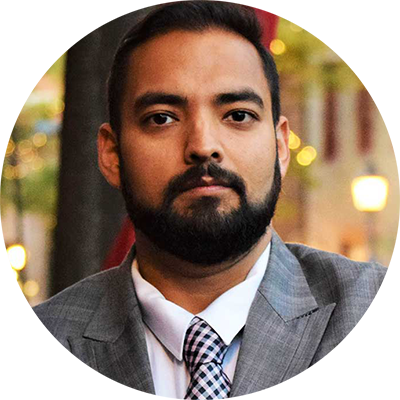
Sahil Malhotra
Sahil Malhotra is an Intellectual Property Attorney, who founded Drishti (“vision”) law because of his vision in protecting dreams and ideas.
He provided individuals and small businesses with an opportunity to enhance their IP’s value by helping them register trademarks and successfully argue against office actions. In addition to his training and experience, he has been deeply involved in the multifaceted IP portfolio at UIC and continues to be associated with IP organizations and conferences.
To know more about Sahil Malhotra — Click Here
You may follow Sahil Malhotra on Facebook: Sahil Malhotra and on Instagram: @Sahil Malhotra