

In today’s digital age, online marketing campaigns rely heavily on original content to attract attention and engage audiences. From blog posts and social media visuals to promotional videos and downloadable resources, every piece of content you share is potentially protected under copyright laws.
Understanding common pitfalls that could lead to copyright infringement is essential for marketers and businesses striving to build trust, avoid legal disputes, and maintain a professional reputation.

What Is Copyright and Why Does It Matter in Marketing
Copyright is a form of intellectual property protection that arises automatically when a creative work is fixed in a tangible medium. This includes text, music, photos, graphics, videos, and even software code.
When a marketing team distributes or uses such content without proper permission or license, they risk infringement claims that could lead to financial penalties, takedown notices, and damage to their brand image.
Frequent Copyright Issues in Online Marketing
The most common copyright issues in online marketing are:
Unlicensed Use of Visual Content
Marketers often search the internet for images and use them without verifying ownership. Taking an image from a web search and placing it on a landing page without an appropriate license or right to reuse is one of the most common ways campaigns unintentionally infringe on someone else’s rights. Stock photography platforms require specific licensing agreements to be secured before use.
Music and Multimedia Without Permission
Promotional videos, podcasts, and interactive ads frequently employ music or sound effects. Without a proper license or rights clearance from the copyright owner, your campaign could be engaging in unauthorized use.
This type of copyright infringement is often discovered when automated systems on platforms like YouTube flag content.
Reusing Third-Party Text and Written Material
Copying blog posts, ebooks, or other written materials created by someone else without acquiring rights can lead to infringement. Even if a marketer changes a few words or paraphrases, that content may still be considered a derivative work without a legitimate agreement with the original creator.
Misunderstanding Social Media Content Rights
Just because a user uploads a photo or video to a social media platform does not mean it is free for brands to reuse. User-generated content may be copyrighted by the creator, and a marketing team must obtain permission before featuring that material in a campaign.
Improper Attribution Does Not Replace a License
Many businesses mistakenly believe that crediting the creator is enough. Attribution has value for acknowledgement, but it does not substitute for contractual rights and does not prevent claims of copyright infringement if content is used without explicit permission.
Fair Use in Marketing | What You Need to Know
The concept of fair use allows limited duplication of copyrighted materials without permission in specific circumstances, such as commentary or education. However, fair use is a complex legal doctrine and is not a guaranteed defense in commercial marketing contexts.
Courts evaluate fair use on a case-by-case basis using a four-factor test, and commercial gain or market substitution often weighs against a finding of fair use. For more about how fair use works, see the U.S. Copyright Office’s Fair Use Index.
Who Owns the Content Used in Your Campaign
Determining ownership is critical when different parties contribute to your campaign. Freelancers, agencies, and influencers who create content may retain copyright unless there is a written agreement declaring the work as “work made for hire” or assigning rights to your brand. Always clarify ownership and rights in your contracts before publishing.

International Challenges in Digital Marketing
Online campaigns often reach a global audience, and copyright laws vary by country. Content that is protected in one country may be treated differently elsewhere, and enforcement of rights can be inconsistent.
To protect your brand globally, ensure that your content licensing agreements cover all territories where your campaign will be visible.
| Did you know? Under U.S. copyright laws, protection begins the moment original content is created and fixed in a tangible form, meaning a marketer can commit copyright infringement even without copying from a registered work, since registration is not required for ownership to exist. |
Consequences of Copyright Infringement in Marketing
Copyright infringement can expose your organization to several serious consequences:
- Legal claims for damages and injunctions
- Takedown notices and removal of your content
- Loss of consumer trust and brand reputation
- Search engine penalties for duplicated or unlicensed content
According to recent data, digital piracy results in approximately $29.2 billion in lost revenue annually for the U.S. economy, underscoring just how costly unauthorized content use can be.
Best Practices to Prevent Copyright Issues
Use Licensed Content Only
Ensure every image, video, music track, font, or template used in your campaign is backed by a valid license or permission from the rights holder.
Create Original Content
Whenever possible, produce your own original materials. This strengthens your brand identity and reduces the risk of unintentionally infringing on someone else’s rights.
Secure Written Agreements
Formalize ownership and usage rights with creators through clear agreements that specify who retains copyright and how the content can be used.
Educate Your Team
Training marketing teams on copyright basics and intellectual property protection can prevent costly mistakes and build stronger compliance practices.
Conclusion
Copyright issues in online marketing campaigns represent real legal and reputational risks for brands and marketers. With billions of dollars lost annually from digital piracy and widespread unauthorized use online, developing strong internal processes for licensing, permission tracking, and original content creation is crucial for long-term success.
Investing in rights management not only protects your campaigns but also builds trust with your audience and content partners.
If you are planning a marketing campaign or reviewing existing assets, contact us today at 773-234-1139 for a free consultation to ensure your content strategy complies with copyright laws and minimizes exposure to infringement claims. Professional legal guidance can help your team confidently navigate rights, licenses, and permissions for every piece of content you publish.
Frequently Asked Questions
Q1. Can I use images from search engines if I credit the creator?
No. Attribution does not replace the need for a proper license or permission from the rights owner.
Q2. Is fair use always a valid defense in marketing?
Fair use is nuanced and often does not apply to commercial marketing content; always consult legal counsel before assuming fair use applies.
Q3. Do I need permission to use content created by an influencer?
Yes. Influencer content is generally owned by the creator unless you have a clear license or assignment in writing.
Q4. What happens if I receive a DMCA takedown notice?
A takedown notice demands the removal of the infringing content and could escalate to legal action if not addressed. Acting promptly is essential.
Q5. Does linking to a government site mean I can reuse its content?
U.S. federal government content is often in the public domain, but if it includes third-party materials, rights may still apply. Always verify before reuse.
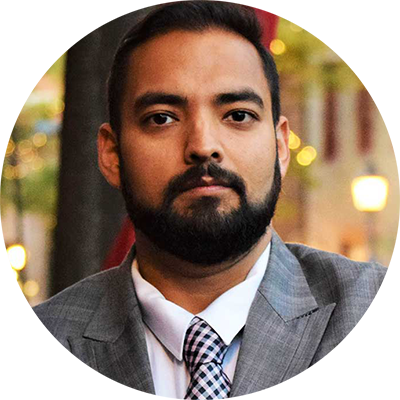
Sahil Malhotra
Sahil Malhotra is an Intellectual Property Attorney, who founded Drishti (“vision”) law because of his vision in protecting dreams and ideas.
He provided individuals and small businesses with an opportunity to enhance their IP’s value by helping them register trademarks and successfully argue against office actions. In addition to his training and experience, he has been deeply involved in the multifaceted IP portfolio at UIC and continues to be associated with IP organizations and conferences.
To know more about Sahil Malhotra — Click Here
You may follow Sahil Malhotra on Facebook: Sahil Malhotra and on Instagram: @Sahil Malhotra