

Artificial intelligence has opened the door to a new era of creativity. From digital paintings to music compositions, AI-generated art is making headlines and challenging long-standing legal frameworks.
But the big question remains: who actually owns AI-generated art under U.S. copyright law? Understanding the answer is crucial for artists, businesses, and innovators who want to protect their work or use AI-generated creations without facing legal risks.

What Is AI-Generated Art?
AI-generated art refers to creative works, such as paintings, graphics, or music, produced with the assistance of machine learning models.
Popular platforms such as DALL·E, MidJourney, and Stable Diffusion can create unique images based on written prompts. Unlike traditional tools, these systems do more than assist artists; they can independently generate new content without direct human authorship.
This raises important questions: if no human hand paints the picture, who (if anyone) can claim ownership?
Current U.S. Copyright Law on AI Works
U.S. copyright law has one major requirement: human authorship. The Copyright Act does not currently recognize non-human creators. The U.S. Copyright Office has reaffirmed this stance multiple times, stating that works created entirely by artificial intelligence without human involvement are not eligible for copyright protection.
This means that if an AI system produces a painting on its own, with no creative input from a person, that artwork cannot be registered under U.S. copyright law.
Landmark Cases and Precedents
Several high-profile cases shed light on how the law applies to AI art:
- Thaler v. Perlmutter (2023)
Stephen Thaler attempted to copyright an image created by his AI system, “Creativity Machine.” The Copyright Office and later the courts rejected the application, confirming that only works with human authorship are eligible.
- Zarya of the Dawn (2022)
A comic book using MidJourney art was partially registered, but the Copyright Office ruled that the AI-generated images themselves were not copyrightable; the author could only claim rights to the text and creative arrangement.
These cases confirm the current legal position: AI alone cannot own copyrights.
Human Input vs. Full AI Creation
Not all AI art is created equally. The key issue is how much human input is involved.
- Fully autonomous AI creations
If the AI generates a work with no meaningful human involvement, it cannot be copyrighted.
- AI-assisted works
If a human contributes creative elements, such as detailed prompts, significant editing, or combining AI outputs with original work, those human contributions may qualify for copyright.
In short, the law looks for a “human spark of creativity” before granting protection.
Who Owns AI-Generated Art?
Ownership depends on several factors:
The User/Creator
If you provide prompts, guide the creative process, and edit the final product, you may claim rights to the parts where your human creativity is evident.
The AI Developer/Company
Most AI platforms include Terms of Service that determine ownership. Some grant full rights to the user, while others retain certain licenses or restrictions.
Public Domain
Works generated entirely by AI, without human involvement, are not protected under copyright law and may fall into the public domain.
For businesses, this means contracts and platform policies play a big role in determining who owns what.

Business and Creative Implications
Copyright ownership of AI art is more than a theoretical debate; it has real-world consequences.
- For Artists
Protecting your creative contributions can prevent unauthorized use of your work.
- For Businesses
Using AI art in branding, marketing, or product design carries risks if ownership is unclear.
- For Collectors and Investors
The value of AI art depends partly on whether it can be legally protected.
Failing to address ownership could lead to costly disputes or loss of creative control.
The Future of AI and Copyright Law
The conversation around AI and copyright is evolving quickly. Lawmakers and policymakers are debating new frameworks that could reshape ownership rules.
Possible future developments include:
- Expanding the definition of “authorship” to account for AI-assisted creativity.
- Clarifying the role of contracts in assigning rights to AI-generated works.
- International differences, as some countries explore alternative approaches to AI authorship.
As technology advances, U.S. copyright law will likely adapt, but for now, human creativity remains the cornerstone of ownership.
FAQs
Q1: Can I copyright art I created entirely with an AI tool?
A1: No. If the AI generated the work independently, it is not eligible for copyright protection under U.S. law.
Q2: What if I edited or modified the AI output?
A2: Significant human contributions, such as editing, arranging, or combining AI outputs with original content, may qualify for copyright protection.
Q3: Do AI companies own the art generated on their platforms?
A3: It depends on the platform’s Terms of Service. Some grant you ownership of outputs, while others reserve licenses for commercial or research use.
Q4: Is AI-generated art automatically in the public domain?
A4: Yes, if no human authorship is involved. However, commercial use may still be limited by platform agreements.
Q5: How can businesses safely use AI art?
A5: Review AI platform contracts, add human creativity where possible, and consult with an attorney to reduce legal risks.
Conclusion
AI and copyright law are in uncharted territory, and the rules are changing quickly. Whether you’re an artist, entrepreneur, or business using AI-generated content, getting legal clarity is essential to protect your rights.
Contact Drishti Law today at (773) 234-1139 to schedule a free consultation and learn how we can help you navigate AI copyright ownership under U.S. law.
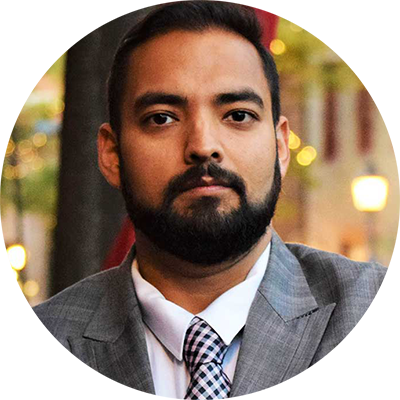
Sahil Malhotra
Sahil Malhotra is an Intellectual Property Attorney, who founded Drishti (“vision”) law because of his vision in protecting dreams and ideas.
He provided individuals and small businesses with an opportunity to enhance their IP’s value by helping them register trademarks and successfully argue against office actions. In addition to his training and experience, he has been deeply involved in the multifaceted IP portfolio at UIC and continues to be associated with IP organizations and conferences.
To know more about Sahil Malhotra — Click Here
You may follow Sahil Malhotra on Facebook: Sahil Malhotra and on Instagram: @Sahil Malhotra