

Expanding into the United States presents significant growth opportunities for foreign businesses, but protecting your brand in this competitive market starts with securing a U.S. trademark.
The U.S. trademark system is highly structured and differs from many other countries’ systems. Without a careful strategy, companies outside the U.S. often encounter costly and time-consuming setbacks. At Drishti Law, we help international clients navigate this complex landscape with confidence.

Understanding the U.S. Trademark System
Unlike many jurisdictions where the first person to file a mark may gain rights, the U.S. system gives priority to use in commerce. A company can hold rights in a trademark based on actual use even if it never formally registers the mark, though federal registration provides stronger nationwide protection. This distinction often surprises foreign applicants.
The USPTO examines each filing carefully, which includes evaluating whether the mark is distinctive, properly described, and used appropriately in commerce. The average time from application to first action on trademarks is around 7.5 months, and complete pendency averages over 14 months.
Understanding these system nuances upfront can mean the difference between successful registration and costly delays.
Mistake #1: Skipping a Professional Trademark Search
A frequent error is relying on superficial or self-conducted searches, such as basic internet checks or generic database scans. These approaches can overlook similar marks that could block your application. A thorough clearance search identifies conflicting live marks and assesses the strength and registrability of your mark before filing.
Without this step, a foreign business may face refusals due to the likelihood of confusion or infringement issues that could have been avoided with expert analysis.
Mistake #2: Choosing the Wrong Filing Basis
When filing a U.S. trademark application, the filing basis must be clearly selected:
- Use in commerce for marks already in use
- Intended for future use
- Section 44(e), if you have a foreign registration
- Madrid Protocol designation
An incorrect choice of basis can lead to unnecessary delays or even abandonment. For example, filing as “use in commerce” before actual use can result in a refusal for lack of evidence.
Something that surprises many foreign filers is the strict requirements tied to these filing bases. Choosing the right basis at the outset can reduce office actions and accelerate registration.
Mistake #3: Inaccurate Description of Goods and Services
The USPTO requires precise identification of goods and services. Descriptions that are overly broad, vague, or inconsistent with how the mark is actually used often trigger office actions or rejections.
Foreign applicants sometimes translate descriptions directly from their home market classifications without accounting for U.S. standards, leading to improper classification and added costs to correct the filing.
Mistake #4: Improper or Insufficient Specimens
Every application based on actual use must include a specimen of use showing the mark in the marketplace.
Common specimen errors include:
- Mockups or digitally altered images
- Labels or packaging not in actual use
- Ads with no proof of sales or distribution
The USPTO scrutinizes specimens rigorously, and improper examples can delay your application or lead to refusal.
| Interesting Fact! Trademark filings in the U.S. continue to rise. According to the United States Patent and Trademark Office (USPTO), there were 767,138 trademark applications received in fiscal year 2024, reflecting businesses’ increased focus on brand protection. |
Mistake #5: Filing Without a U.S.-Licensed Attorney
Foreign-domiciled entities cannot directly file trademark applications with the USPTO unless represented by a U.S. trademark attorney licensed to practice in the United States. This requirement is not merely procedural; it ensures the applicant has professional guidance on complex filing requirements, office action responses, and compliance with U.S. law.
Attempting to file without proper representation can lead to missed deadlines, incorrect filings, and ultimately loss of rights.

Mistake #6: Ignoring USPTO Deadlines and Office Actions
The USPTO sets strict deadlines for responding to examination reports and office actions. Failing to respond on time typically results in abandonment of the application.
According to trademark filing analyses, over 60 percent of applications receive some form of Office Action during examination. Timely and strategic responses are critical, particularly when objections are raised about descriptiveness, similarity with existing marks, or specimen issues.
Mistake #7: Assuming Foreign Registration Ensures U.S. Protection
Though international systems like the Madrid Protocol streamline applications into multiple countries, foreign registrations do not automatically grant rights in the U.S. Each country grants trademark rights independently.
Non-U.S. registrations only benefit the U.S. applicant under specific filing bases like Section 44(e), and they still require adherence to U.S. law. Understanding this distinction prevents false assumptions about brand protection scope during expansion.
Mistake #8: Failing to Maintain and Protect Registered Trademarks
Registration is just the beginning of protecting a trademark. After a mark is registered, the owner must file maintenance documents at specific intervals and monitor unauthorized uses.
Failure to file required maintenance documents between the fifth and sixth year after registration can lead to cancellation. Ongoing protection strategies include watching for infringing use, border enforcement, and renewal filings every ten years.
Special Challenges for Foreign Applicants
Foreign companies often grapple with linguistic and cultural issues, transliteration challenges, and timing their market entry strategy. Certain languages or scripts may be deemed descriptive or too similar to existing marks if carefully evaluated by the USPTO.
Moreover, timing your U.S. market approach so that trademark filing aligns with business presence and use is a strategic decision that requires counsel guidance.
Practical Checklist for Foreign Filers
To minimize errors when pursuing a U.S. trademark:
- Conduct a Full Clearance Search and Legal Analysis
- Choose the Correct Filing Basis
- Precisely Identify Goods and Services
- Prepare Accurate Specimens
- Retain U.S. Counsel Familiar With USPTO Practice
- Monitor Deadlines and Respond Promptly
- Develop Ongoing Maintenance Plans
Conclusion
Filing a trademark in the United States is a strategic investment in your brand’s global future. Common mistakes by foreign businesses are not inevitable but stem from misunderstanding U.S. requirements and procedural nuances.
With proper planning and legal guidance from experienced counsel like Drishti Law, international brands can secure strong trademarks and build lasting market presence.
Secure Your U.S. Trademark With Confidence!
At Drishti Law, we specialize in helping foreign businesses navigate U.S. trademark law from start to finish. Whether you are preparing your first filing, responding to an office action, or planning long-term brand protection, contact Drishti Law at 773-234-1139 for a free consultation. We can help safeguard your intellectual property and avoid costly setbacks.
Frequently Asked Questions (FAQs)
Q1. Can a foreign entity file a U.S. trademark without a U.S. address?
Foreign companies must appoint a U.S.-licensed attorney to handle filing and prosecution.
Q2. How long does trademark registration take?
From filing to registration, the process typically spans over a year due to examination and potential office actions.
Q3. What happens if an application is refused?
Applicants are given time to respond to office actions; failure to do so may result in abandonment of the application.
Q4. Does a foreign registration guarantee U.S. trademark rights?
No. Foreign registrations can aid filing, but must still comply with U.S. requirements.
Q5. Do I have to use my mark in the U.S. before filing?
You can file based on intent to use, but proof of use will be required later in the process.
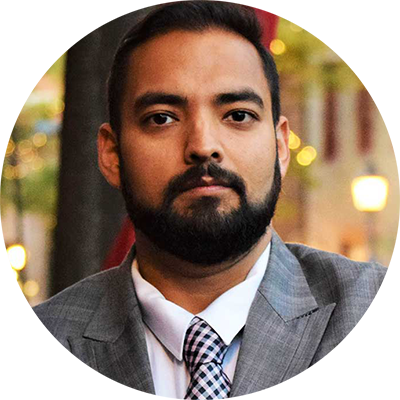
Sahil Malhotra
Sahil Malhotra is an Intellectual Property Attorney, who founded Drishti (“vision”) law because of his vision in protecting dreams and ideas.
He provided individuals and small businesses with an opportunity to enhance their IP’s value by helping them register trademarks and successfully argue against office actions. In addition to his training and experience, he has been deeply involved in the multifaceted IP portfolio at UIC and continues to be associated with IP organizations and conferences.
To know more about Sahil Malhotra — Click Here
You may follow Sahil Malhotra on Facebook: Sahil Malhotra and on Instagram: @Sahil Malhotra